Daskusza Exploration: A Comprehensive Guide to Understanding and Discovering Hidden Terrains


Explore daskusza exploration with expert insights, practical tips, and real-world guidance to understand hidden terrains and discovery methods naturally.


Introduction
Have you ever come across a concept or location so mysterious that reliable information feels scattered or incomplete? Many researchers and enthusiasts face this exact challenge when trying to understand unfamiliar regions and geological narratives.
One such emerging topic is daskusza exploration, which has gained attention among analysts, travelers, and digital researchers seeking to map unknown or under-documented areas. At its core, it represents a structured approach to studying hidden environments, combining observation, data interpretation, and field curiosity.
In this guide, we break down the essentials of daskusza exploration in a clear, practical way so you can understand its relevance and potential applications.
Key Points / Overview
- Helps organize structured investigation of lesser-known regions
- Combines field observation with modern mapping tools
- Encourages data-driven interpretation of terrain and patterns
- Useful for researchers, explorers, and geospatial analysts
- Supports improved documentation of under-researched areas
Understanding the Concept of Daskusza Exploration
What Makes It Unique?
At its core, daskusza exploration focuses on interpreting environments that lack sufficient documentation. Unlike traditional surveys, it blends qualitative observation with digital tools for deeper insights.
This approach allows researchers to identify subtle patterns that might otherwise go unnoticed. Moreover, it encourages adaptive thinking in unpredictable conditions.
Methodological Approach
A typical daskusza exploration process includes:
- Preliminary data gathering from secondary sources
- Field validation using observational techniques
- Pattern mapping through geospatial tools
In practice, daskusza exploration helps bridge the gap between theory and real-world terrain analysis.
Tools and Techniques Used in Daskusza Exploration
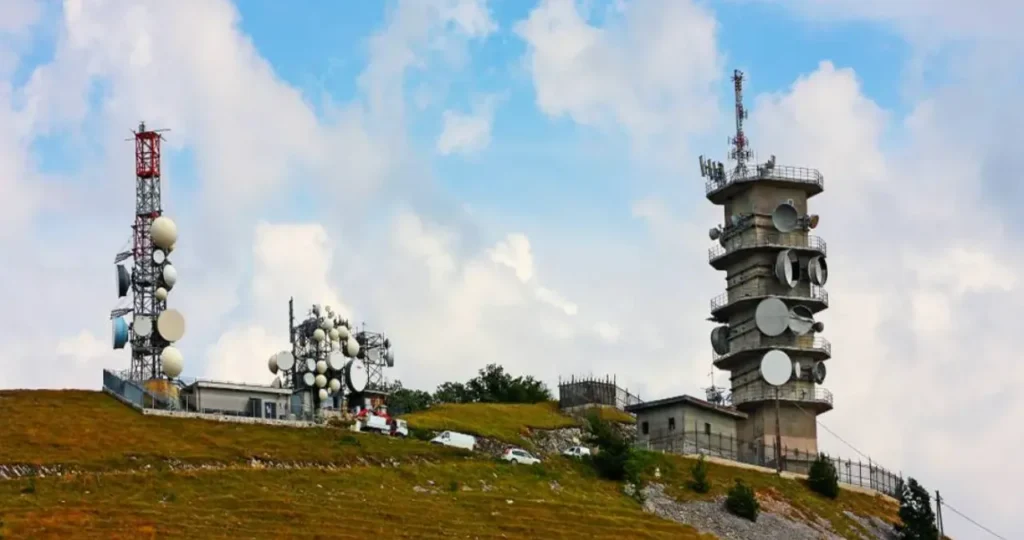
Modern Mapping Systems
Satellite imaging and GIS tools play a crucial role in daskusza exploration, offering high-resolution insights into remote or complex environments.
These tools help reduce uncertainty and improve decision-making accuracy during fieldwork.
On-Ground Data Collection
Another important aspect of daskusza exploration is direct field engagement. Researchers often rely on:
- Environmental sampling
- Photographic documentation
- Local interviews and contextual data
Together, these methods ensure a well-rounded understanding of the studied area.
Analytical Frameworks
After collecting data, analysts interpret findings using structured frameworks. In daskusza exploration, this step is essential for identifying meaningful relationships between geographic and environmental factors.
Applications in Research and Fieldwork
Scientific Research
In academic settings, daskusza exploration is used to study uncharted or under-researched zones. It helps scientists generate hypotheses based on real-world evidence rather than assumptions.
Environmental Monitoring
Environmental specialists apply daskusza exploration techniques to track ecosystem changes, land degradation, and climate impact patterns over time.
Geospatial Intelligence
In the field of geospatial analysis, daskusza exploration supports decision-making by improving the accuracy of terrain interpretation and predictive modeling.
By integrating multiple data sources, professionals gain a clearer picture of complex landscapes.
Challenges and Considerations
Data Limitations
One of the main challenges in daskusza exploration is incomplete or inconsistent data. This can affect the accuracy of interpretations if not handled carefully.
Environmental Constraints
Field conditions such as weather, accessibility, and terrain complexity can also impact the effectiveness of daskusza exploration activities.
Ethical Responsibility
Researchers must ensure that daskusza exploration respects local communities and ecosystems. Ethical fieldwork remains a core principle in all serious investigations.
FAQs
Q1: What is daskusza exploration used for?
A1: It is used to study and interpret lesser-known or under-documented environments using both field and digital methods.
Q2: Is daskusza exploration a scientific method?
A2: It can be considered a hybrid approach combining scientific observation with geospatial analysis techniques.
Q3: What tools are needed for this type of exploration?
A3: Common tools include GIS software, satellite imagery platforms, and field data collection equipment.
Q4: Who can practice daskusza exploration?
A4: Researchers, geographers, environmental analysts, and even trained enthusiasts can engage in it.
Q5: What are the main challenges involved?
A5: The biggest challenges include limited data availability, difficult terrain, and environmental unpredictability.
Conclusion
Understanding complex and lesser-known environments requires both curiosity and structured methodology. Through a balanced mix of field observation, analytical tools, and ethical research practices, daskusza exploration offers a practical framework for discovery.
As interest in hidden geospatial systems grows, this approach continues to become more relevant across scientific and environmental disciplines. Try applying these insights in your research or field studies to deepen your understanding of unexplored regions
Recommended For You : Daskusza Exploration